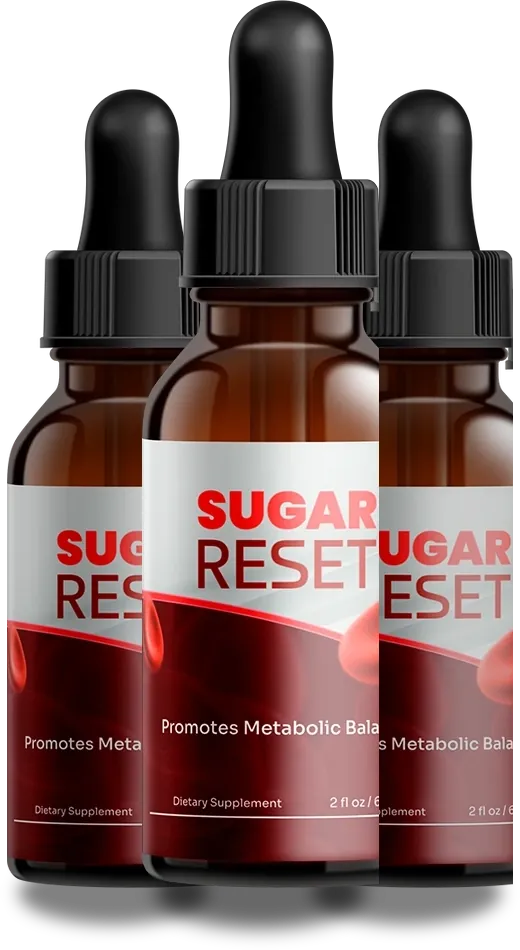
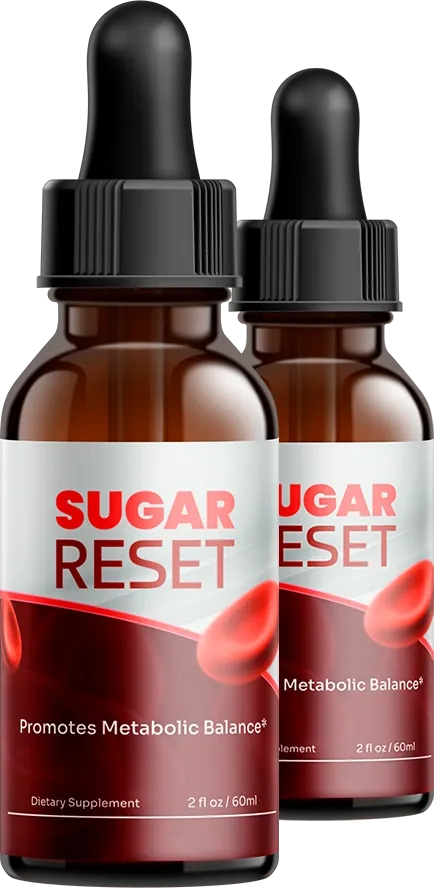
Proprietary Blends and Blood Sugar: Reading the Fine Print
A proprietary blend lists ingredient names and a total weight, in descending order by weight, without individual amounts. US rules allow this. Sugar Reset's blend is 200 mg across 22 ingredients, which averages about 9 mg each at most, far below research doses for ingredients like gymnema or maca.
Proprietary blends and blood sugar: reading the label the rules actually allow
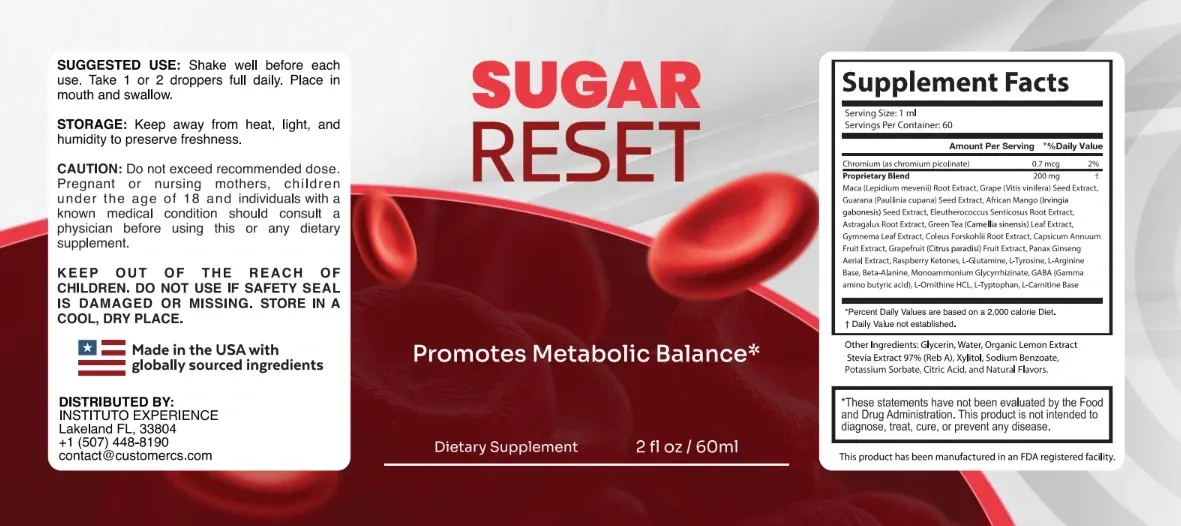
Sugar Reset's Supplement Facts panel has two lines. One is chromium, with its own printed amount. The other is a single "Proprietary Blend, 200 mg" that covers 21 more ingredients, from maca root to L-carnitine, with no individual amount for any of them.
That is not unusual, and it is not against the rules. This guide explains what a proprietary blend is, why US labeling rules allow it, what descending-weight order does and does not tell you, the actual math of splitting 200 mg across 22 names, a short checklist for questioning any blend before you buy it, and what Sugar Reset's own label does and does not disclose.
What is a proprietary blend, and why do US labels allow it?
A proprietary blend is a group of ingredients listed together under one name and one total weight, rather than broken out with an amount next to each one. US dietary supplement labeling rules require a Supplement Facts panel to list every ingredient in a blend by name, and to give the blend's total weight, but they do not require the maker to break that total down ingredient by ingredient. That is the trade the rule makes: full disclosure of names, no disclosure of individual amounts.
Companies commonly explain proprietary blends as protecting a formula from being copied by competitors. Whatever the reason, the practical effect for a shopper is the same either way: you can see everything that is in the blend, but not how much of each thing.
What does descending-weight order actually tell you?
One piece of information a proprietary blend does have to give you is order. US labeling rules require blend ingredients to be listed in descending order by weight, heaviest first. That rule is why Sugar Reset's blend starts with maca root extract and ends with L-carnitine.
| Position | Ingredient | What the order implies |
|---|---|---|
| 1st (heaviest) | Maca Root Extract | The largest share of the 200 mg |
| 8th | Gymnema Leaf Extract | A middle share, smaller than maca, larger than the tail end |
| 22nd (lightest) | L-Carnitine Base | The smallest share of the 200 mg |
That is useful, but limited. Descending order tells you maca outweighs gymnema, and gymnema outweighs L-carnitine, but it does not tell you by how much. Maca could be 60 mg and gymnema could be 15 mg, or maca could be 20 mg and gymnema could be 18 mg. Both patterns satisfy the same descending order. Order tells you the ranking, not the gap between ranks.
What does the math of 200 mg across 22 ingredients actually look like?
Here is where the label gets genuinely informative, even without individual amounts: the total. Sugar Reset's blend weighs 200 mg and covers 22 separate ingredients.
- Maca Root Extractnot published
- Grape Seed Extractnot published
- Guarana Seed Extractnot published
- African Mango Seed Extractnot published
- Eleuthero Root Extractnot published
- Astragalus Root Extractnot published
- Green Tea Leaf Extractnot published
- Gymnema Leaf Extractnot published
- Coleus Forskohlii Root Extractnot published
- Capsicum Annuum Fruit Extractnot published
- Grapefruit Fruit Extractnot published
- Panax Ginseng Aerial Extractnot published
- Raspberry Ketonesnot published
- L-Glutaminenot published
- L-Tyrosinenot published
- L-Arginine Basenot published
- Beta-Alaninenot published
- Monoammonium Glycyrrhizinatenot published
- GABA (gamma-aminobutyric acid)not published
- L-Ornithine HCLnot published
- L-Tryptophannot published
- L-Carnitine Basenot published
Equal bars are a placeholder, not a claim. The label lists 22 ingredients inside one 200 mg total. Split evenly, that would be about 9 mg each, but the maker does not say how it is divided.
Splitting 200 mg evenly across 22 names works out to about 9 mg each. Real blends are never split evenly, since order tells us maca is the largest share and L-carnitine the smallest, but the even split is still a useful reference point: it is the most any single ingredient could average if the blend were divided equally, and most of the 22 names will land at or below it once the front-runners like maca take their larger share.
Now compare that 9 mg average against research doses discussed elsewhere on this site: gymnema trials have generally used roughly 200 to 800 mg a day on their own (see our gymnema article), and maca trials have used doses in the low grams, thousands of milligrams. A single 200 mg blend covering 22 ingredients simply cannot contain gymnema, or maca, at anywhere close to those amounts and still leave room for the other 20 names, unless the blend is far from evenly split and most ingredients are present in trace amounts.
How should you question a proprietary blend before buying it?
Ask for the individual amounts
A maker who is confident in a dose will usually publish it separately if asked, even outside the label itself.
Compare the total to research doses
If a single studied ingredient's trial dose alone would exceed the blend's total weight, the blend cannot match that trial.
Check the ingredient count
More names sharing one small total weight means each individual amount is likely smaller, not larger.
Look for standardization
A plant extract's strength depends on how it is standardized (for example, a percent of a specific compound). A blend rarely states this.
Ask about third-party testing
Independent lab results can confirm what is actually in a bottle, separate from what the label claims.
Read the safety list, not just the pitch
Some blend ingredients interact with medicines or each other regardless of the exact dose; know those before you buy.
None of these questions require special expertise, just a willingness to ask before paying. Our checklist for choosing a blood sugar supplement walks through the same questions for the wider category, not just proprietary blends.
What does Sugar Reset's label do, and not do, tell you?
Applying that checklist to Sugar Reset's own label gives a clear, specific picture.
| What the label tells you | What it does not tell you |
|---|---|
| All 22 blend ingredient names, in descending-weight order | The amount of any single blend ingredient |
| Chromium's exact amount: 0.7 mcg | How much of the 200 mg is guarana or green tea (their caffeine amount) |
| The blend's total weight: 200 mg | Any extract ratio or standardization for the plant ingredients |
| The sales page names six of the 22 as highlights | Why those six, or what share of the 200 mg they hold |
| "Made in the USA with globally sourced ingredients" | Third-party lab results confirming the blend's contents |
None of this makes the product fraudulent. US rules allow exactly this format, and Sugar Reset follows it. What it does mean is that no dose-based promise, ours or the sales page's, can be checked against a number that is not printed anywhere. Our chromium article shows what happens on the one line where a number is printed: 0.7 mcg, far below research amounts. The blend line leaves that same comparison impossible to make for the other 21 ingredients.
Several of those 21 names also carry their own cautions regardless of dose: guarana and green tea add caffeine, grapefruit extract can change how the body handles many prescription medicines, and monoammonium glycyrrhizinate, from licorice, can raise blood pressure and lower potassium with regular use. See the full list on the side effects page or the complete Supplement Facts breakdown.
So what should you take away from this?
A proprietary blend is a legal, common labeling choice, not a red flag by itself. It trades individual amounts for a total weight and a list of names in descending-weight order, and Sugar Reset's label follows that pattern exactly.
The honest reading of that trade is simple: you can verify what is in the blend, but not how much of it, and 200 mg spread across 22 names averages to roughly 9 mg each at most, far below the doses used in research for ingredients like gymnema or maca. That gap is the reason to ask questions before buying any blend, this one included, rather than assuming a long ingredient list on its own means an effective dose.
None of this is medical advice, and it is not a reason to change a prescribed medicine or stop testing blood sugar. See the full Sugar Reset ingredients page for every name in the blend, or read how the two studied ingredients with the clearest research trail stack up: chromium and gymnema, covered above.
Questions readers ask
What is a proprietary blend on a supplement label?
A group of ingredients listed together under one name and one total weight, instead of an individual amount for each ingredient.
Why do US labels allow proprietary blends?
Supplement labeling rules require every blend ingredient to be named and the blend's total weight disclosed, but they do not require individual amounts to be broken out.
What does descending-weight order mean?
Blend ingredients must be listed heaviest first. It tells you the ranking of amounts, not how large the gap is between any two ingredients.
How much of each ingredient is in a 200 mg blend of 22 things?
Split evenly, about 9 mg each, though real blends are never split evenly; the ingredient listed first typically holds the largest share.
Can a 200 mg blend contain a research dose of gymnema or maca?
Not alongside 21 other ingredients. Gymnema trials have generally used 200-800 mg on their own, and maca trials have used low grams, both far larger than a 200 mg total shared 22 ways.
How can I question a proprietary blend before buying?
Ask for individual amounts, compare the total to known research doses, check the ingredient count, look for standardization details, and check for third-party testing.
Does Sugar Reset publish individual blend amounts?
No. The label lists chromium's amount (0.7 mcg) but gives only one 200 mg total for the other 21 ingredients in the blend.
Does a proprietary blend mean a supplement is fake?
No. It is a legal labeling choice. It does mean no dose-based health claim about the blend can be checked against a printed number.
Keep reading
Chromium and blood sugar
What chromium is, its food sources, the adequate intake, what 200-1,000 mcg trials found, who might be low, and why 0.7 ...
Read →Gymnema and blood sugar
What gymnema is, the sugar-taste effect, trial quality reviews, doses used, the hypoglycemia risk with diabetes medicine...
Read →How much does Sugar Reset cost?
Pack sizes, days of supply and how to pick the right one.
Read →Order Sugar Reset from the authorized retailer
One bottle holds 60 one-millilitre servings. Two, three and six-bottle kits cost $79, $69 and $49 a bottle, and each comes with the same 60-day money-back guarantee. Questions before you order? The FAQ covers the common ones.