Blood Sugar Basics: What Raises It, What Steadies It, and When to Call a Doctor
Blood sugar is the glucose in your bloodstream; A1c is a lab test showing your average level over about three months. Food, stress, illness and poor sleep raise it. Eating protein and fibre before carbs, a short walk after meals, regular sleep and less alcohol help steady it. Very high, low, or fast-changing readings need a clinician. Supplements sit at the edge, not the center, of this picture.
What are blood sugar and A1c?
Blood sugar is the amount of glucose carried in your blood at any given moment. It rises after you eat, especially carbohydrate-rich food, and falls between meals and overnight as your body uses it for fuel. A finger-stick or continuous monitor reading is a snapshot of that one moment.
A1c is different: it is a blood test, usually run in a lab, that estimates your average blood sugar over roughly the past two to three months. It works because glucose attaches to red blood cells, and those cells live about that long, so the test reflects a running average rather than any single day.
This is general background, not a diagnosis. Your own target range for either number should come from a clinician, since it depends on your health history, medicines and whether you have diabetes or prediabetes.
What raises blood sugar day to day?
A short list of everyday things push blood sugar up, on top of any medical condition.
| What raises it | Why |
|---|---|
| Carbohydrate-heavy food | Starches and sugars break down into glucose faster than protein or fat |
| A large meal | More total carbohydrate arrives in the bloodstream at once |
| Stress | Stress hormones can push the liver to release stored glucose |
| Illness or infection | The body releases hormones to fight illness, which can raise blood sugar even without eating |
| Some medicines | Steroids and a few other prescriptions are known to raise blood sugar as a side effect |
| Poor sleep | A short or disrupted night can make the body less responsive to insulin the next day |
This list is general knowledge, not drawn from a single study. None of it replaces your own record of what actually moves your numbers, which is worth tracking if you monitor regularly.
Does food order and fibre matter?
Many people notice smaller blood sugar swings when they eat vegetables and protein before the starchy or sugary part of a meal, and when a meal includes fibre. Fibre slows how fast the stomach empties and how fast sugar reaches the bloodstream, which can flatten the rise after eating compared with the same food eaten alone.
This section describes a common, widely taught eating pattern rather than a specific trial result. It is a reasonable habit to try, not a promise of a particular number.
- Protein, vegetables and fat first, starch or sugar last, is a common pattern people try
- Fibre-rich foods (vegetables, beans, whole grains) slow the rise in blood sugar after eating
- A meal that is mostly refined carbohydrate, eaten alone, tends to raise blood sugar faster
Does movement after meals help?
A short walk after eating is one of the more commonly recommended habits for blood sugar, because moving muscle uses glucose directly, on top of whatever insulin is doing. Ten to fifteen minutes is often enough to notice a smaller rise after a meal compared with sitting the whole time.
What tends to help
- A short walk within an hour or so of eating
- Standing up and moving instead of sitting still after a big meal
- Building movement into the day, not saving it all for one workout
What to check first
- Anyone on insulin or a glucose-lowering medicine should ask a clinician about exercise timing, since activity can also lower blood sugar too far
- New chest pain, dizziness or shortness of breath during activity needs medical attention, not a supplement
This is general, widely taught advice rather than a finding from one specific trial cited on this page.
How does sleep affect blood sugar?
Sleep affects blood sugar more than most people expect. A short or broken night can leave the body less responsive to insulin the next day, which can mean higher readings even if you eat the same food you always do. Over weeks, poor sleep is commonly linked with harder-to-manage blood sugar.
- A short or disrupted night can raise the next day's blood sugar, even with the same meals
- A regular sleep and wake time is a simple habit worth building alongside diet and movement
- This is general knowledge about sleep and glucose, not a specific study result cited here
How does alcohol affect blood sugar?
Alcohol can raise blood sugar shortly after drinking, then push it down for hours afterward, especially on an empty stomach. That delayed drop can be dangerous for anyone taking insulin or another glucose-lowering medicine, because the low can happen well after the drinking stopped, including overnight.
People managing blood sugar are commonly advised to drink with food, not on an empty stomach, to keep track of how much they drink, and to check with a clinician about whether their specific medicine changes the advice. This is general guidance, not a specific study finding cited on this page. See our side effects page for how alcohol interacts with the ingredients in Sugar Reset specifically.
- Alcohol can cause a delayed blood sugar drop, sometimes hours later
- The risk is higher for anyone on insulin or another glucose-lowering medicine
- Drinking with food, and knowing your own limit, are common starting points
When does a reading need a clinician?
a reading far outside your usual range, symptoms of a low (shaking, sweating, confusion, sudden hunger or a racing heart), symptoms of a high (unusual thirst, frequent urination, blurred vision or fatigue that will not lift), or any reading paired with chest pain, trouble breathing or fainting. These need medical attention, not a wait-and-see approach with food, movement or a supplement.
If you already monitor blood sugar, your clinician has likely given you a target range and a plan for what to do outside it. That plan, not a general article, is the one to follow. If you have never been told your numbers, a routine check with a doctor is the way to find out where you stand.
- A reading far outside your usual range deserves a call to your clinician
- Shaking, sweating or confusion can signal a low that needs quick attention
- Unusual thirst, frequent urination or blurred vision can signal a high worth checking
Where does a supplement like Sugar Reset fit?
Supplements sit at the edge of this picture, not the center of it. The National Center for Complementary and Integrative Health states that for most dietary supplements studied for diabetes, including many herbal ingredients, research has been too limited in number, size and quality to prove any of them effective, though it notes a few, such as chromium, cinnamon and berberine, have some limited supportive evidence for markers like fasting glucose or A1c (National Center for Complementary and Integrative Health (NCCIH), 2024).
That same source is direct about the biggest risk: it warns it is very important not to replace medical treatment for diabetes with an unproven health product, and that products claiming to replace diabetes medication are especially dangerous (National Center for Complementary and Integrative Health (NCCIH), 2024). Food, movement, sleep and alcohol habits, and any prescribed medicine, do the heavy lifting described above. A daily supplement, at best, sits alongside those habits, never in place of them.
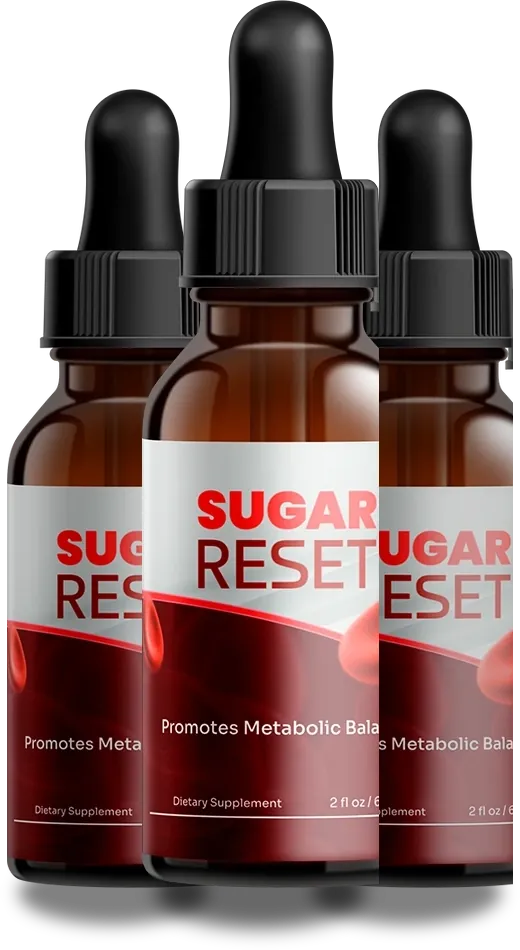
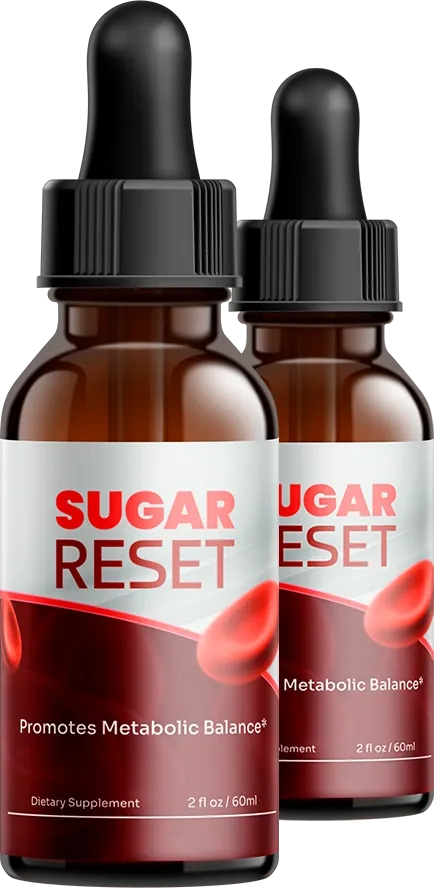
Sugar Reset, the product this site covers, is one example worth judging by the same standard: its label lists chromium at 0.7 mcg and a 200 mg blend of 22 ingredients with no individual amount published, so no dose-based effect can be promised from it. See our honest buyer checklist before judging any blood sugar supplement, or the full Sugar Reset ingredients breakdown. A 2-bottle kit runs $158 on the sales page if you want to see how a routine like this fits alongside the habits above, or see how Sugar Reset works for the full mechanism, part by part.
- A few supplement ingredients have limited supportive evidence; most do not have proof of effectiveness
- No supplement is a substitute for prescribed diabetes medicine or for testing
- Judge any product, including this one, by its printed amounts against the research, not by its marketing
Blood Sugar Basics Guide: common questions
What is the difference between blood sugar and A1c?
Blood sugar is a snapshot reading at one moment. A1c is a lab test estimating your average blood sugar over roughly the past two to three months.
What raises blood sugar the most day to day?
Carbohydrate-heavy meals, stress, illness, some medicines and poor sleep are the most common everyday drivers.
Does eating order really change blood sugar?
Many people notice a smaller rise when they eat protein, vegetables and fibre before starch or sugar, though this page describes it as general knowledge, not a cited study.
Does walking after a meal help blood sugar?
A short walk is a commonly recommended habit, since moving muscle uses glucose directly, though anyone on glucose-lowering medicine should check timing with a clinician.
Can alcohol cause low blood sugar?
Yes. Alcohol can cause a delayed drop in blood sugar hours after drinking, which is riskier for anyone on insulin or another glucose-lowering medicine.
When is a blood sugar reading an emergency?
A reading far outside your usual range, or one paired with confusion, chest pain, trouble breathing or fainting, needs medical attention right away.
Do supplements like Sugar Reset lower blood sugar?
No dose-based effect can be promised from this label. NCCIH states most supplements studied for diabetes lack proof of effectiveness, and warns against replacing medical treatment with one (National Center for Complementary and Integrative Health (NCCIH), 2024).
Should I stop my diabetes medicine if my numbers look good?
No. Never stop or change prescribed medicine without your clinician's input, regardless of diet, movement or any supplement.
Keep reading
How do I choose a blood sugar supplement?
A checklist for comparing any product, not just Sugar Reset.
Read →What are the ingredients in Sugar Reset?
The full 22-ingredient blend, one at a time, with research doses and evidence.
Read →What are the Sugar Reset side effects?
Interaction notes for gymnema, chromium, grapefruit and caffeine.
Read →Order Sugar Reset from the authorized retailer
One bottle holds 60 one-millilitre servings. Two, three and six-bottle kits cost $79, $69 and $49 a bottle, and each comes with the same 60-day money-back guarantee. Questions before you order? The FAQ covers the common ones.