Choosing a Blood Sugar Supplement: A Six-Point Checklist
Before buying any blood sugar supplement, check six things: printed amounts vs. a proprietary blend, how a dose compares with research, interaction checks for ingredients like grapefruit and licorice, claims that break FDA rules, the real guarantee terms, and who the seller is. This checklist walks through each one, then checks Sugar Reset against its own label.
Check 1: printed amounts, or a proprietary blend?
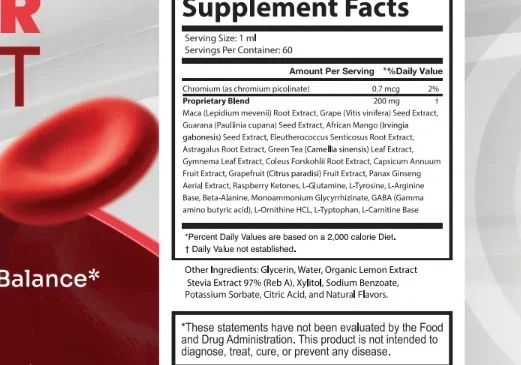
Start by checking whether every active ingredient has its own printed amount, or whether some sit inside a proprietary blend. A blend prints only the combined weight of a group of ingredients, not how much of any single one is inside.
| Label style | What you can tell | What you can't tell |
|---|---|---|
| Every ingredient printed separately | The exact amount of each ingredient, so you can compare it to a research dose | Nothing extra; this is the most transparent style |
| A named proprietary blend with a total weight | The combined weight of every ingredient in the blend | How much of any single ingredient inside the blend you are actually getting |
The more ingredients packed into one small blend total, the smaller each one's average share tends to be. A 200 mg blend split evenly across 22 ingredients works out to about 9 mg each, far below doses used in most published herb research.
Check 2: how does the dose compare with the research?
Once you know a dose is printed, you can compare it with the amount used in published research for that ingredient. Three steps make this workable without a science background.
Find the ingredient's research dose
Look for a systematic review or a government fact sheet, not a single small study, and note the dose range it used.
Check the label's own amount
If the label prints a number, compare it directly. If it only shows a blend total, treat every ingredient inside as "amount not published."
Judge the dose, not just the ingredient name
An ingredient with strong research can still be pointless at a tenth of the dose that research used.
For example, chromium trials for blood sugar have used 200 to 1,000 mcg a day (Costello et al., 2016), and gymnema research commonly uses 200 mg or more of extract a day (Yeh et al., 2003). A label printing chromium in the low single-digit micrograms, or a blend where gymnema shares a small total with 20 other ingredients, is not close to those figures.
Check 3: which interactions matter for a product like Sugar Reset?
Some ingredients common in blood sugar blends carry real interaction risks, separate from whether they help on their own.
| Ingredient or compound | Why it's a red flag |
|---|---|
| Grapefruit extract | Can change how the body clears many prescription medicines, including some heart, cholesterol and blood pressure drugs. |
| Caffeine sources (guarana, green tea) | Can add up with other caffeine in your day and affect sleep, heart rate or blood pressure; amounts are rarely printed in a blend. |
| Licorice compounds (glycyrrhizin, glycyrrhizinate) | Regular use is linked to raised blood pressure and lowered potassium. |
| Glucose-lowering herbs (gymnema, and to a lesser extent chromium) | Can push blood sugar down further when combined with insulin, metformin or a sulfonylurea, risking hypoglycemia. |
An EFSA risk assessment on gymnema documents patients on antidiabetic drugs developing hypoglycemic symptoms when gymnema was added, with some needing a medication dose change (Marakis et al., 2018); concentrated green tea extract separately carries documented liver-injury reports (LiverTox (National Institute of Diabetes and Digestive and Kidney Diseases), 2023). None of this means a product with these ingredients is unsafe for everyone, but anyone on glucose-lowering, blood pressure or heart medicine should check with a clinician before starting one.
Check 4: does a claim break FDA rules?
A dietary supplement in the US cannot legally claim to diagnose, treat, cure or prevent a disease, including diabetes or prediabetes. A page that promises a lower A1c number, reversed diabetes, or an end to insulin or metformin is making a disease claim a supplement label is not allowed to make.
Legitimate wording sounds different: "supports," "promotes" or "helps maintain," paired with a small-print disclaimer that the statement has not been evaluated by the FDA. That wording is a support statement, not a proven outcome, no matter how confident the surrounding sales copy sounds.
- Watch for promises of a specific lower A1c or blood sugar number
- Watch for language suggesting you can stop or reduce prescribed medicine
- "Supports" and "promotes," with an FDA disclaimer nearby, are the legally allowed wording, not proof of an effect
Check 5: what does the guarantee actually cover?
A generous-sounding guarantee on a bottle seal does not always match how the return actually works. Four questions are worth answering before you order.
| Question | Why it matters |
|---|---|
| How many days do I actually have to decide? | A short window can close before you have a real sense of the routine |
| Who pays return shipping? | A guarantee can still cost you money if you pay to ship the bottles back |
| Where do I send a claim? | Some sellers only accept a claim through a contact form, with no phone line at all |
| What do I need to include? | Missing your order ID or full name can slow down or block a refund |
Price per day, not just price per bottle, is also worth comparing across products: divide the total order price by the number of days it actually lasts at the labeled serving size, not the seller's most generous math.
Check 6: who is the seller, and who is the maker?
Finally, check who you are actually buying from: the manufacturer or distributor named on the label, or a separate retailer selling on its behalf. Both can be legitimate, but they answer different questions.
- A merchant can usually help with orders, tracking and returns
- A merchant did not formulate the product and cannot change the formula
- The distributor named on the label is a separate business from the website selling it
- A named US address for both the seller and the returns address is a reasonable transparency check
Applying this checklist to Sugar Reset
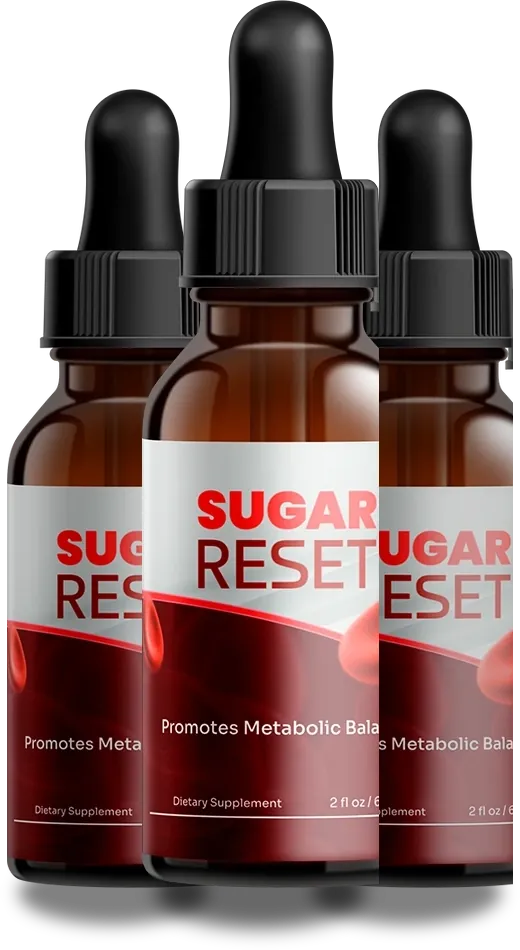
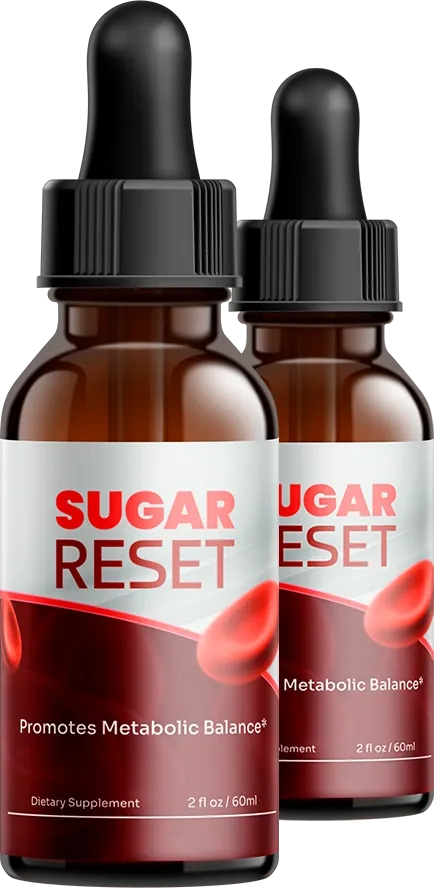
Running Sugar Reset through its own six checks, honestly: the label prints chromium at 0.7 mcg on its own line, but the other 21 ingredients, including maca, gymnema, African mango, green tea and Panax ginseng, share one 200 mg proprietary blend with no single amount published. Split evenly, that averages about 9 mg each.
Against research, chromium's 0.7 mcg sits roughly 300 to 1,400 times below the 200 to 1,000 mcg used in chromium trials (Costello et al., 2016), and an unpublished share of gymnema is far below the 200 mg or more used in gymnema research (Yeh et al., 2003). On red flags: the blend contains grapefruit extract, guarana and green tea (caffeine, amount not printed), and monoammonium glycyrrhizinate, a licorice compound. On claims: the front label states only "Promotes Metabolic Balance"; the sales page adds five support statements, none of them a disease claim. On the guarantee: 60 days from purchase, buyer pays return shipping, and an order desk you can reach by phone handles the claim. On the seller: Sugarresetglucose is an authorized merchant, not the maker; the label names Instituto Experience as distributor.
| Check | Sugar Reset |
|---|---|
| Printed amounts | Yes for chromium (0.7 mcg); no for the 22-ingredient, 200 mg blend |
| Dose vs. research | Chromium roughly 300-1,400x below trial doses; blend ingredients unpublished |
| Interaction red flags | Grapefruit extract, caffeine sources, and a licorice compound are all present |
| FDA-compliant claims | Front label: one support statement; sales page adds five, none a disease claim |
| Guarantee | 60 days from purchase; buyer pays return shipping |
| Seller vs. maker | Sugarresetglucose (authorized merchant); Instituto Experience (distributor on the label) |
None of this means the product is fake; it means the label cannot support a dose-based promise, and this site does not make one. See the full Sugar Reset ingredients breakdown, the blood sugar basics guide for the habits that carry more evidence, or the how it works page for the numbers side by side. A 2-bottle kit runs $158; the 6-bottle kit runs $294, the lowest cost per bottle on the sales page.
A short buying process you can reuse
Read the Supplement Facts panel first
Check which amounts are printed and which sit inside a blend.
Compare any printed dose with published research
A named ingredient with weak research, or a strong ingredient at a tiny dose, both weaken a claim.
Scan for grapefruit, caffeine, licorice or glucose-lowering herbs
Each is a reason to check with a clinician first, especially on prescribed medicine.
Read the actual guarantee terms
Confirm the days, who pays return shipping, and where a claim actually gets sent.
Run any blood sugar product, including Sugar Reset, through these six checks before you order. Full blend list for reference: Maca Root Extract, Grape Seed Extract, Guarana Seed Extract, African Mango Seed Extract, Eleuthero Root Extract, Astragalus Root Extract, Green Tea Leaf Extract, Gymnema Leaf Extract, Coleus Forskohlii Root Extract, Capsicum Annuum Fruit Extract, Grapefruit Fruit Extract, Panax Ginseng Aerial Extract, and ten more. None of these checks takes more than a few minutes, and together they catch most of the gaps between a sales page pitch and the label underneath it.
Choosing a Supplement: common questions
What is the difference between printed amounts and a proprietary blend?
Printed amounts show a number next to each ingredient. A proprietary blend shows only the combined total weight, so no single ingredient's amount can be checked.
How do I compare a label dose with research?
Find the dose range used in a systematic review or government fact sheet, then compare it directly. Chromium trials for blood sugar used 200 to 1,000 mcg a day (Costello et al., 2016).
Which ingredients most often need an interaction check?
Grapefruit extract, caffeine sources like guarana and green tea, licorice compounds, and glucose-lowering herbs such as gymnema.
What claims can a supplement legally make?
It can say a nutrient "supports" or "promotes" a body function, with an FDA disclaimer. It cannot claim to diagnose, treat, cure or prevent a disease like diabetes.
What should I check about a guarantee before buying?
The number of days, who pays return shipping, where to send a claim, and what information the claim needs to include.
Does it matter if I'm buying from a merchant instead of the maker?
It can. A merchant can help with orders and returns but did not formulate the product and cannot change it.
Does Sugar Reset publish an amount for each blend ingredient?
No. The 200 mg blend of 22 ingredients is shown only as a combined total; no single ingredient's amount is published.
Is Sugar Reset's chromium dose close to research doses?
No. At 0.7 mcg it sits roughly 300 to 1,400 times below the 200 to 1,000 mcg used in chromium trials (Costello et al., 2016).
Keep reading
What are the ingredients in Sugar Reset?
See how one real label holds up against this checklist.
Read →What actually steadies blood sugar?
Food order, movement, sleep and alcohol habits that matter more than any dropper.
Read →How much does Sugar Reset cost?
Pack sizes, totals and price per day from the official sales page.
Read →Order Sugar Reset from the authorized retailer
One bottle holds 60 one-millilitre servings. Two, three and six-bottle kits cost $79, $69 and $49 a bottle, and each comes with the same 60-day money-back guarantee. Questions before you order? The FAQ covers the common ones.