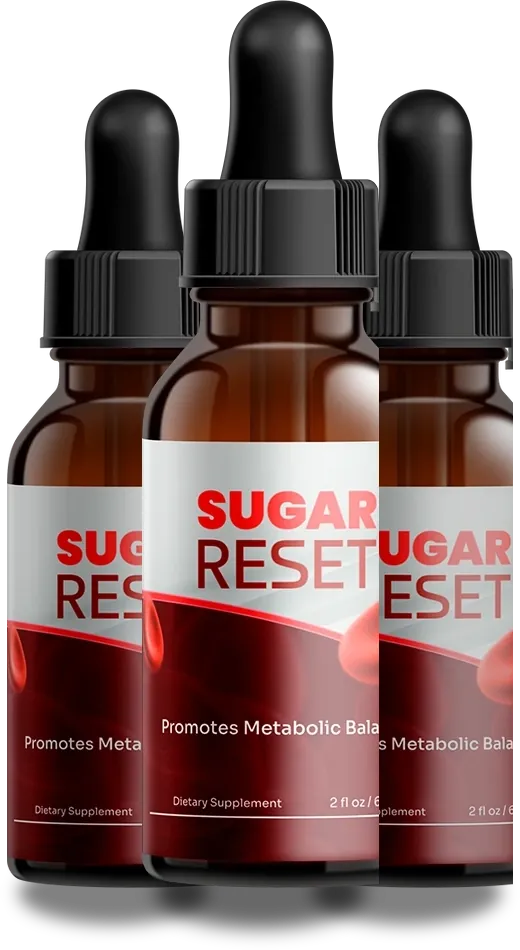
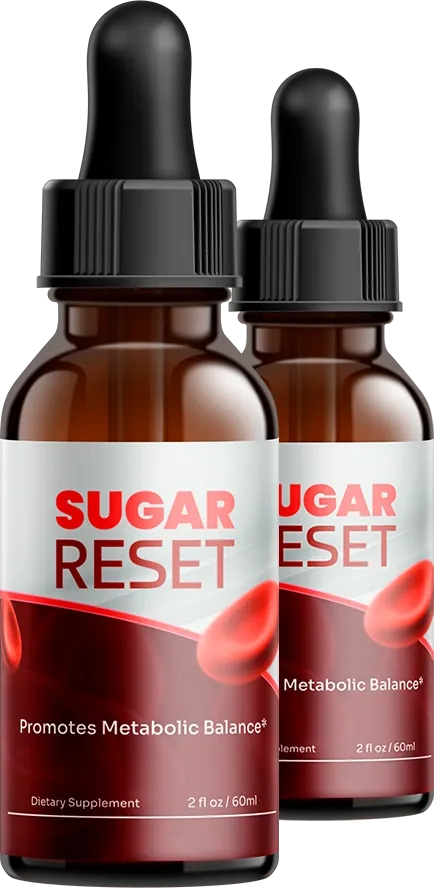
Chromium and Blood Sugar: What the Research Actually Shows
Chromium trials for blood sugar have used 200 to 1,000 mcg a day, with mixed and often unconvincing results. The Adequate Intake for adults is 25 to 35 mcg a day. Sugar Reset lists chromium at 0.7 mcg, below the Adequate Intake and roughly 300 to 1,400 times below the doses trials actually tested.
Chromium and blood sugar: what a tiny number on a label really means
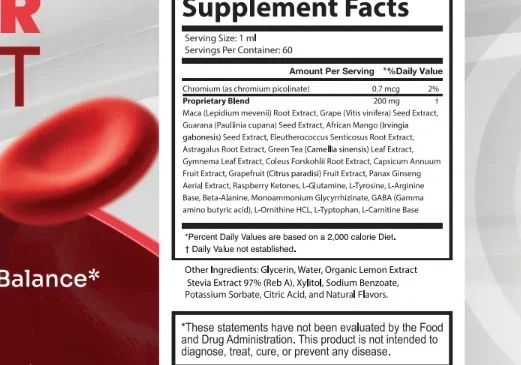
Chromium shows up on more blood sugar supplement labels than almost any other ingredient, and Sugar Reset prints it as the only ingredient with its own amount: 0.7 mcg, 2% of the Daily Value. Everything else sits inside an undisclosed 200 mg blend.
This guide covers what chromium actually is, where people get it from food, what the Adequate Intake is, what the clinical trials that tested chromium against blood sugar actually found (and did not find), who might genuinely run low, and why 0.7 mcg is such a small number next to the doses those trials used.
What is chromium, exactly?
Chromium is a trace mineral, meaning the body needs only very small amounts of it, measured in micrograms (mcg) rather than milligrams. It is involved in how the body handles carbohydrate and fat, and research has focused mainly on its possible role in insulin action (National Institutes of Health, 2024).
Supplement forms include chromium picolinate, chromium chloride and chromium polynicotinate. Sugar Reset uses chromium picolinate, one of the more commonly studied forms.
NIH ODS has not set a Recommended Dietary Allowance (RDA) for chromium. Instead it sets an Adequate Intake (AI), a softer target used when there is not enough evidence to set a firm RDA (National Institutes of Health, 2024).
Where does chromium come from, and how much is the adequate intake?
Chromium is widespread in food, just in small amounts. Foods commonly cited as chromium sources include broccoli, whole grain products, high-bran cereals, grape juice, potatoes, garlic, basil and some meats. No single everyday food is a concentrated source, which is part of why supplement makers add it separately.
| Group | Adequate Intake (AI) |
|---|---|
| Adult men, 19-50 | 35 mcg/day |
| Adult men, 51+ | 30 mcg/day |
| Adult women, 19-50 | 25 mcg/day |
| Adult women, 51+ | 20 mcg/day |
| Sugar Reset, per 1 ml dropper | 0.7 mcg |
NIH ODS has not set a Tolerable Upper Intake Level for chromium, because no adverse effects have been clearly tied to typical intake from food or supplements. It does flag that people with kidney or liver disease may be more sensitive to high chromium intakes, and cites isolated case reports of kidney injury linked to chromium supplements at doses far above the AI (National Institutes of Health, 2024).
Notice that even the AI, the everyday target for a healthy adult, is 25 to 35 mcg. Sugar Reset's 0.7 mcg is well under that AI on its own, before any research dose even enters the picture.
What did trials at 200 to 1,000 mcg find, and not find?
The number that matters most for a blood sugar product is the dose used in trials, not the AI. Researchers testing whether chromium supplements help blood sugar control have generally used doses far above the AI, commonly in the 200 to 1,000 mcg a day range.
Reviewing 20 randomized controlled trials of chromium supplementation in people with type 2 diabetes, the authors found only a small fraction showed a clinically meaningful improvement in fasting glucose or HbA1c. They concluded chromium supplements have limited effectiveness for glycemic control and found insufficient grounds to recommend them for that purpose.
Pooling trials that used doses up to 1,000 mcg a day, this meta-analysis found chromium had no benefit on glucose or insulin levels in people without diabetes, and called the evidence insufficient to judge its effect in people with type 2 diabetes. One non-Western trial did find a significant improvement at 1,000 mcg a day, but most other trials found no meaningful effect.
NIH ODS sums up the picture the same way: a landmark 1997 study found benefits at 1,000 mcg a day, but later studies using various doses had inconsistent findings. Because of that mixed record, the FDA allows only a qualified health claim on chromium picolinate and diabetes risk, one that states the relationship is "highly uncertain" (National Institutes of Health, 2024).
So what did these trials find? At best, occasional and inconsistent improvements in fasting glucose, mostly in people who already had type 2 diabetes, and mostly at the higher end of the 200 to 1,000 mcg range. What they did not find is a reliable, repeatable effect that holds up across different populations and trial designs, and none of them tested a dose anywhere near 0.7 mcg.
Who might actually be low in chromium?
True chromium deficiency is not something most healthy adults need to worry about day to day. Chromium is present in a wide range of ordinary foods, and NIH ODS has not linked typical intake to any clear pattern of shortfall in the general population.
The groups worth a second look are people whose overall diet leans heavily on refined, low-variety foods that supply less chromium than whole grains, vegetables and fresh produce, since that pattern lowers intake of many trace minerals at once, not just chromium. NIH ODS also notes that people with kidney or liver disease are handled differently, though that guidance is about extra caution with high intakes, not about deficiency risk (National Institutes of Health, 2024).
There is no simple blood test that most clinicians use to check everyday chromium status the way they check iron or B12, which makes "who is actually low" harder to answer with precision than for better-studied nutrients. Anyone concerned about a shortfall is better served by asking a clinician than by guessing from a supplement label. See our blood sugar basics guide for the habits with the strongest evidence behind them.
Why is 0.7 mcg on this label a different order of size?
Here is the comparison that matters. Sugar Reset's Supplement Facts panel lists chromium (as chromium picolinate) at 0.7 mcg, 2% of the Daily Value. The trials discussed above tested doses of 200 to 1,000 mcg a day.
| Comparison point | Amount |
|---|---|
| Sugar Reset, per 1 ml dropper | 0.7 mcg |
| Adequate Intake, adult (25-35 mcg/day) | 36 to 50 times more than the label |
| Low end of trial doses (200 mcg/day) | about 286 times more than the label |
| High end of trial doses (1,000 mcg/day) | about 1,429 times more than the label |
That is not a small gap. Even the everyday Adequate Intake, the target for a healthy adult with no condition to correct, is 36 to 50 times larger than what one Sugar Reset dropper provides. Against the doses actually tested for blood sugar, the label's 0.7 mcg is roughly 300 to 1,400 times smaller.
This is why the 2% Daily Value figure on the label, while accurate, can be misleading on its own: 2% of the DV sounds like "a little," but next to a body of research built entirely on hundreds of micrograms, it is a different order of size, not just a smaller dose. The rest of the Sugar Reset label, the 200 mg proprietary blend, works the same way: our article on proprietary blends walks through the math behind that number too.
Chromium is also one of the few blend ingredients that can independently affect blood sugar, alongside gymnema, covered in our gymnema article. Anyone on insulin, metformin or a similar medicine should read the side effects page before combining either one with prescribed treatment.
So what should you take away from this?
Chromium is a real trace mineral with a real, if modest, research history in blood sugar. The honest summary of that history is that trials using 200 to 1,000 mcg a day have produced mixed and often unconvincing results, and regulators treat the chromium-diabetes link as highly uncertain even at those doses.
Sugar Reset's label lists 0.7 mcg, a dose that sits below the everyday Adequate Intake and hundreds of times below anything a trial has tested. That does not mean the product is fake; it means this particular ingredient, at this particular amount, cannot be expected to reproduce what any chromium trial found.
None of this is a reason to change a prescribed diabetes medicine or stop testing blood sugar as a clinician directed. See the full Sugar Reset ingredients page for how chromium fits with the rest of the label, or use our checklist for choosing a blood sugar supplement before you buy any product like this one.
Questions readers ask
What is chromium used for in the body?
Chromium is a trace mineral studied mainly for a possible role in how the body handles carbohydrate and insulin action (National Institutes of Health, 2024).
What foods contain chromium?
Broccoli, whole grain products, high-bran cereals, grape juice, potatoes, garlic, basil and some meats are commonly cited sources, though no single everyday food is concentrated in it.
What is the adequate intake for chromium?
NIH ODS sets an Adequate Intake, not an RDA, of 35 mcg/day for adult men and 25 mcg/day for adult women, slightly lower after age 50 (National Institutes of Health, 2024).
Do chromium supplements lower blood sugar?
The evidence is mixed. A review of 20 randomized trials found only limited effectiveness for glycemic control, and an earlier meta-analysis found no benefit in people without diabetes (Costello et al., 2016, Althuis et al., 2002).
What dose did the chromium trials use?
Most trials testing chromium for blood sugar used 200 to 1,000 mcg a day, far above the Adequate Intake (National Institutes of Health, 2024).
Is 0.7 mcg of chromium enough to do anything?
It is below the everyday Adequate Intake of 25 to 35 mcg and roughly 300 to 1,400 times below the doses tested in blood sugar trials, so it cannot be expected to reproduce those trial results.
Who might be low in chromium?
True deficiency is uncommon in people eating a varied diet. NIH ODS flags people with kidney or liver disease for extra caution with high intakes, though that is a safety note, not a deficiency risk (National Institutes of Health, 2024).
Is chromium safe to take?
NIH ODS has not set an upper limit because no clear harm has been tied to typical intake, but it notes isolated case reports of kidney injury at high supplement doses in people with existing kidney or liver disease (National Institutes of Health, 2024).
Keep reading
Gymnema and blood sugar
What gymnema is, the sugar-taste effect, trial quality reviews, doses used, the hypoglycemia risk with diabetes medicine...
Read →Proprietary blends and blood sugar
What a proprietary blend is, why US labels allow it, descending-weight order, the math of 200 mg across 22 ingredients, ...
Read →How much does Sugar Reset cost?
Pack sizes, days of supply and how to pick the right one.
Read →Order Sugar Reset from the authorized retailer
One bottle holds 60 one-millilitre servings. Two, three and six-bottle kits cost $79, $69 and $49 a bottle, and each comes with the same 60-day money-back guarantee. Questions before you order? The FAQ covers the common ones.